

Key Takeaways
- Vehicle make is one factor among many determining insurance costs, influencing perceived risk.
- Beyond make, model, year, safety features, and repair costs significantly impact premiums.
- Luxury and sports cars generally cost more to insure due to higher value and specialized repairs.
- Economy cars often have lower premiums due to affordability and common parts.
- Always compare multiple quotes to find the most competitive rates for your specific vehicle and driver profile.
When you're shopping for auto insurance, the make of your vehicle is one of several data points insurers consider when calculating your premium. While it might seem like a straightforward detail, your car's manufacturer can indirectly influence how much you pay for coverage. Insurers evaluate risk based on various characteristics associated with different vehicle makes, from their general safety records to typical repair costs.
This article explores how vehicle make plays a role in insurance pricing, examining what factors contribute to these variations and offering strategies to help you find competitive rates, regardless of the car you drive.

Key Factors Insurers Analyze Beyond Just Make
While the make of your vehicle provides a broad category, insurers delve into more specific details to assess risk accurately. These factors often have a more direct impact on your premiums:
- Model and Year: Newer models, especially those with advanced technology or higher market value, often cost more to insure. Specific trim levels, even within the same make, can also influence rates due to differences in features or performance.
- Safety Features: Vehicles equipped with advanced driver-assistance systems (ADAS) like automatic emergency braking, lane-keeping assist, and blind-spot monitoring may qualify for discounts. Insurers often see these features as reducing the likelihood or severity of accidents.
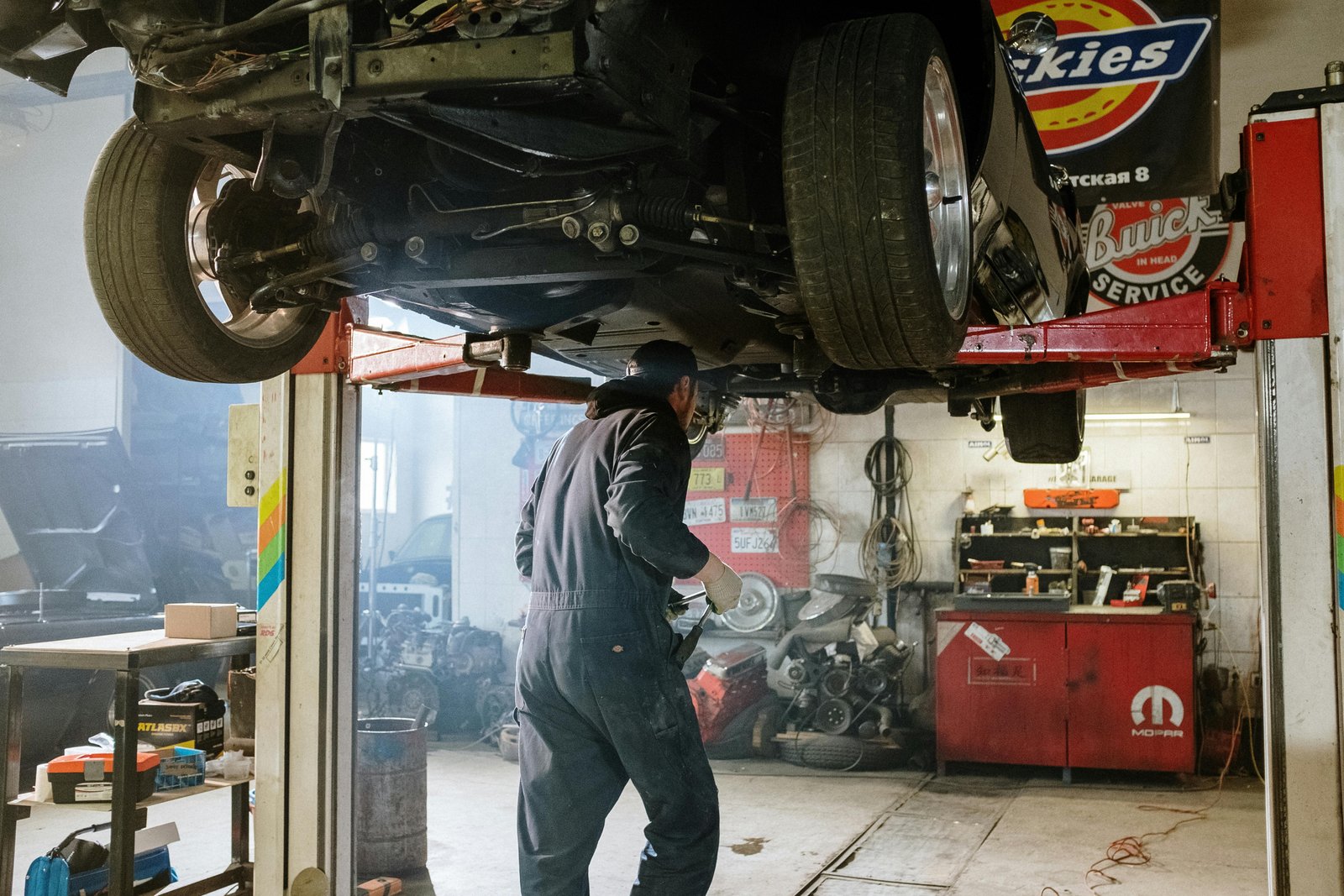
- Repair Costs: The expense of repairing a vehicle after an accident is a significant factor. Cars from certain manufacturers may require specialized parts, imported components, or highly skilled labor, leading to higher repair bills and, consequently, higher premiums.
- Theft Rates: Some vehicle makes and models are more frequently targeted by thieves. If your car is on a high-theft list, insurers may charge more for comprehensive coverage due to the increased risk of loss.
- Engine Size and Performance: High-performance vehicles, often associated with higher speeds and increased accident risk, typically have higher insurance costs than economy cars.
- Driver Profile: Your personal information, including age, driving record, location, and, in some states, credit-based insurance score, plays a substantial role. A clean driving history and a good credit score can help offset higher premiums associated with certain vehicle makes.
General Trends: Which Vehicle Makes Cost More (or Less) to Insure?
While individual circumstances vary greatly, general trends exist regarding how different vehicle makes tend to be insured. It's important to remember these are broad observations, and specific models within a make can deviate significantly.
Start with the clearest quote path for this reader.
Place the first CTA where the reader has enough context to compare coverage and keep moving without friction.
Luxury and Sports Car Brands:
- Higher Premiums: Brands like BMW, Mercedes-Benz, Audi, Porsche, and high-end models from Acura or Lexus often come with higher insurance costs.
- Reasons: Their higher market value means greater replacement costs, expensive parts, specialized repair labor, and often a higher likelihood of being driven in ways that increase accident risk.
Economy Car Brands:
- Lower Premiums: Manufacturers such as Honda, Toyota, Subaru, Kia, and Hyundai frequently offer models that are less expensive to insure.
- Reasons: These vehicles often have lower purchase prices, readily available and affordable parts, and generally good safety records. They are also less frequently targeted for theft compared to some luxury or high-performance models.
SUVs and Trucks:
- Varies Widely: Insurance costs for SUVs and trucks can range significantly. A compact SUV might be relatively affordable to insure, while a large luxury SUV or a heavy-duty pickup truck could carry higher premiums.
- Reasons: Factors include vehicle weight, potential for greater damage in an accident, safety features, and the cost of parts and labor for larger vehicles.
Electric Vehicles (EVs):
- Emerging Trends: EVs, including brands like Tesla, Rivian, and electric models from traditional manufacturers, can sometimes have higher insurance costs.
- Reasons: This is often due to their advanced technology, potentially higher repair costs for specialized components like battery packs, and limited availability of certified repair shops. However, some insurers offer discounts for EVs due to their environmental benefits or specific safety features.
Ultimately, the safety ratings from organizations like the Insurance Institute for Highway Safety (IIHS) and the National Highway Traffic Safety Administration (NHTSA) also play a role, influencing insurer perceptions of risk across different makes and models.
Researching Insurance Costs for Specific Makes
Given the wide array of factors influencing insurance premiums, simply knowing a vehicle's make is not enough to predict your exact costs. Effective research involves a few key steps:
Use a mid-article checkpoint to narrow the shortlist.
The second CTA should help readers compare real offer paths once pricing and exclusions become concrete.
- Obtain Multiple Quotes: This is perhaps the most crucial step. Insurance rates can vary by hundreds of dollars between different providers for the exact same coverage. What one insurer considers high risk, another might view differently.
- Utilize Online Comparison Tools: Websites designed to compare insurance quotes can streamline this process. By entering your vehicle's specific make, model, year, and your personal details, these tools can provide estimates from multiple insurers quickly. Remember that these are often estimates, and a final quote requires direct interaction with an insurer.
- Understand Rate Variability: Be aware that rates are highly personalized. Your driving history, location, chosen coverage limits, and deductible amounts will significantly impact the final price, often more so than the vehicle make alone.
- Consult Industry Reports: Publications and organizations that track vehicle safety, theft rates, and average insurance costs can offer general insights into how specific makes and models perform in these categories.
While a vehicle make can give you a general idea, always verify with personalized quotes to understand the actual cost implications for your situation.
Strategies to Lower Insurance Costs for Any Vehicle Make
Regardless of the make and model you drive, there are proactive steps you can take to potentially reduce your auto insurance premiums:
- Shop Around and Compare: Regularly comparing quotes from various insurance providers, ideally annually or whenever your policy is up for renewal, can help you find more competitive rates.
- Inquire About Discounts: Many insurers offer a range of discounts, such as those for bundling multiple policies (auto and home), maintaining a good driving record, installing anti-theft devices, completing defensive driving courses, or being a good student. Always ask your agent about all available discounts.
- Adjust Your Deductible: Choosing a higher deductible (the amount you pay out-of-pocket before your insurance kicks in) can lower your premium payments. However, ensure you can comfortably afford the deductible amount if you need to file a claim.
- Maintain a Clean Driving Record: Avoiding accidents and traffic violations is one of the most effective ways to keep your insurance costs down. Insurers reward safe drivers with lower rates.
- Explore Telematics Programs: Some insurers offer usage-based insurance programs that monitor your driving habits (e.g., mileage, speed, braking). Safe drivers who opt into these programs may qualify for premium reductions.
- Consider Coverage Needs: As your vehicle ages, you might consider adjusting your coverage. For older cars, the cost of full comprehensive and collision coverage might eventually outweigh the vehicle's market value, making it worthwhile to consider liability-only coverage.
Pros and Cons of Focusing on Vehicle Make for Insurance Decisions
Considering a vehicle's make when thinking about insurance costs can be a helpful starting point, but it's essential to understand its limitations.
| Pros | Cons |
|---|---|
| Provides an Initial Cost Estimate: Offers a rough idea of potential insurance expenses when budgeting for a new or used car. | Not the Sole Determinant: Over-relying on make alone can be misleading, as model, year, and individual driver factors often have a greater impact. |
| Aids in Vehicle Purchasing Choices: Can help inform decisions if insurance cost is a primary concern, guiding you towards makes generally known for lower premiums. | Personal Factors Are Crucial: Your driving record, location, age, and chosen coverage significantly outweigh the make in final premium calculations. |
| Highlights General Risk Profiles: Gives insight into how insurers broadly categorize different manufacturers based on factors like repair costs and theft rates. | Can Be Misleading Without Model/Year Details: A specific model within a "cheap to insure" make might still be expensive due to performance or luxury features. |
| May Overly Restrict Vehicle Options: Focusing too much on make for insurance can lead to overlooking vehicles that might be a better fit for your needs and budget overall, even if their make has a slightly higher general insurance perception. |
Who Should Keep Shopping: If you're solely choosing a vehicle based on the perceived low insurance cost of its make, you might be overlooking other critical factors that determine your final premium. It's advisable to get actual quotes for specific models you are considering rather than relying on general make-based assumptions.
Frequently asked questions
Here are answers to common questions about how vehicle characteristics influence auto insurance.
Does the color of my car affect insurance rates?
No, the color of your car does not affect your insurance rates. This is a common myth. Insurers are concerned with factors like the make, model, year, safety features, repair costs, and your driving history, not the paint job.
End the article with one confident next step.
Keep the final CTA focused on the best-fit action, not a hard sell, so the article closes like an editorial recommendation.
Why do luxury cars typically cost more to insure?
Luxury cars generally cost more to insure due to several factors: their higher market value means greater replacement costs; their parts are often more expensive and specialized; and they may require highly skilled labor for repairs. Additionally, they sometimes have higher theft rates or are associated with higher performance, which can increase perceived risk.
Can I get a discount for installing anti-theft devices on my vehicle?
Yes, many insurance companies offer discounts for vehicles equipped with approved anti-theft devices, such as car alarms, tracking systems, or immobilizers. These devices reduce the risk of theft, which can lower the comprehensive portion of your premium. It's always a good idea to inform your insurer about any security features your vehicle has.
Is it always more expensive to insure a brand-new car compared to an older model?
Generally, brand-new cars are more expensive to insure than older models. This is because new cars have a higher replacement value, and their parts can be more costly to repair or replace. However, older cars might lack advanced safety features that could otherwise qualify for discounts on newer vehicles. The specific model, year, and condition of both the new and old car play a significant role.
How often should I shop for new car insurance quotes?
It's recommended to shop for new car insurance quotes at least once a year, especially before your policy renewal. You should also compare quotes if you experience a significant life event, such as moving, getting married, buying a new car, or adding a new driver to your policy. Rates can change frequently, and a different insurer might offer a better deal.


Reader feedback
Ratings and comments
Customer feedback helps improve content quality and gives new readers practical context before they click a CTA or continue researching.
No approved comments yet.
Submitted comments will appear after moderation.