
Key Takeaways
- Car insurance is legally required in most U.S. states and protects against financial loss from accidents.
- Key coverage types include liability, collision, comprehensive, and personal injury protection.
- Premiums are influenced by your driving record, vehicle, location, and demographic factors.
- Comparing quotes and understanding policy details are crucial for finding suitable coverage.
- Regularly review your policy and explore discounts to manage costs effectively.
Car insurance is a fundamental component of responsible vehicle ownership in the United States, serving as a critical financial safeguard against unforeseen events on the road. Navigating the various coverage types, understanding how premiums are calculated, and knowing how to select a policy that genuinely meets your needs can seem complex. This guide from InsuraPro aims to demystify car insurance, providing clear, actionable information to help you make informed decisions.
Understanding Car Insurance Basics
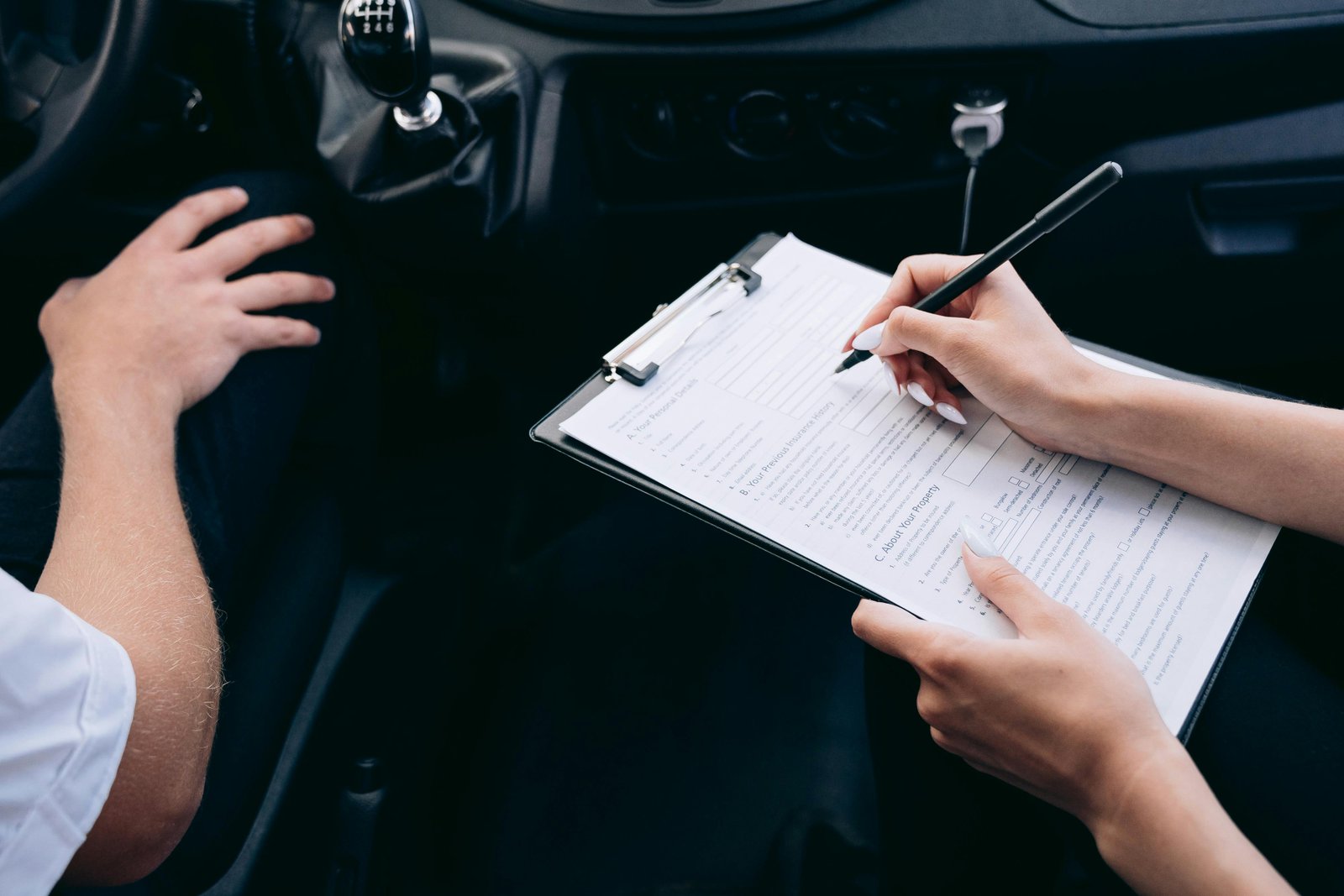
At its core, auto insurance is a contract between you and an insurance company. You agree to pay a premium, and the insurer agrees to cover specific financial losses outlined in your policy. This protection extends to damages to your vehicle, injuries to yourself or others, and property damage caused by an accident.
Most U.S. states mandate a minimum level of car insurance, primarily liability coverage, to ensure that drivers can cover at least some of the costs if they cause an accident. However, state minimums often provide only basic protection. Adequate coverage, going beyond these minimums, is essential for comprehensive financial security, safeguarding your assets and providing peace of mind in the event of a significant incident.
Start with the clearest quote path for this reader.
Place the first CTA where the reader has enough context to compare coverage and keep moving without friction.
Key Types of Car Insurance Coverage Explained
Car insurance policies are typically comprised of several distinct coverage types, each designed to address different risks. Understanding these components is crucial for building a policy that truly protects you.
- Liability Coverage: This is the foundation of most policies and is legally required in nearly all states. It pays for damages and injuries you cause to other people and their property if you are at fault in an accident.
- Bodily Injury Liability: Covers medical expenses, lost wages, and pain and suffering for others injured in an accident you cause.
- Property Damage Liability: Covers damage to another person's vehicle or property (like a fence or building) that you cause.
- Collision Coverage: This pays for damage to your own vehicle resulting from a collision with another car, an object (like a tree or pole), or if your car rolls over, regardless of who is at fault. Lenders often require this for financed or leased vehicles.
- Comprehensive Coverage: Sometimes called "other than collision," this covers damage to your vehicle from incidents not involving a collision. This includes theft, vandalism, fire, natural disasters (hail, floods), and hitting an animal. Lenders typically require this for financed or leased vehicles.
- Personal Injury Protection (PIP) or Medical Payments (MedPay): These cover medical expenses for you and your passengers, regardless of who caused the accident. PIP, primarily available in "no-fault" states, can also cover lost wages and essential services. MedPay is generally more limited, focusing solely on medical bills.
- Uninsured/Underinsured Motorist (UM/UIM) Coverage: This protects you if you are in an accident with a driver who either has no insurance (uninsured) or not enough insurance to cover your damages (underinsured). It can cover your medical bills and, in some states, damage to your vehicle.
- Common Optional Add-ons: Beyond these core coverages, you can add protections like roadside assistance, rental car reimbursement (to cover a rental while your car is repaired), and gap insurance (which covers the difference between your car's actual cash value and what you still owe on a loan if it's totaled).
Factors That Influence Your Car Insurance Premiums
The cost of your car insurance policy is determined by a variety of factors that insurers use to assess risk. While some are within your control, others are not.

- Driver Demographics: Your age, gender (less impactful now due to regulations in some states), and marital status can influence rates. Younger, less experienced drivers typically face higher premiums, as do single individuals compared to married ones.
- Driving Record and Past Claims History: This is one of the most significant factors. A history of accidents, traffic violations (speeding tickets, DUIs), or past claims will almost certainly lead to higher premiums. Conversely, a clean driving record can qualify you for good driver discounts.
- Vehicle Specifications: The make, model, year, and safety features of your car play a role. Expensive, high-performance, or frequently stolen vehicles generally cost more to insure. Cars with advanced safety features might qualify for discounts.
- Geographic Location: Where you live and primarily park your car impacts your rates. Urban areas with higher traffic density, accident rates, or crime rates (like theft and vandalism) often have higher premiums than rural areas.
- Credit Score: In most states, insurers use a credit-based insurance score as a factor in determining premiums. A higher score is often associated with lower risk, potentially leading to lower rates. (Note: This is not permitted in all states.)
- Annual Mileage Driven: The more you drive, the higher your risk of being in an accident. Drivers with lower annual mileage may qualify for discounts or usage-based insurance programs.
Who Benefits Most from Specific Coverage Types?
Understanding which types of coverage align with your personal circumstances is key to building an effective car insurance policy. Not every coverage type is essential for every driver, and tailoring your policy can help manage costs while ensuring adequate protection.
Use a mid-article checkpoint to narrow the shortlist.
The second CTA should help readers compare real offer paths once pricing and exclusions become concrete.
Coverage Decision Framework
| Coverage Type | Best For | Consider Alternatives / Keep Shopping If... |
|---|---|---|
| High Liability Limits (Bodily Injury & Property Damage) | Drivers with significant assets (home, savings) to protect, or those who drive frequently and want maximum financial security against large claims. | You have minimal assets and are comfortable with the state minimums, understanding the increased personal risk. |
| Collision Coverage | Owners of new, leased, or financed vehicles; drivers who cannot easily afford to repair or replace their car out-of-pocket after an accident. | Your vehicle's market value is very low, and the annual premium plus deductible might exceed the car's worth. |
| Comprehensive Coverage | Drivers in areas prone to severe weather (hail, floods), high theft rates, or those concerned about vandalism or hitting animals. Also for new, leased, or financed vehicles. | Your vehicle's market value is very low, and the annual premium plus deductible might exceed the car's worth. |
| Personal Injury Protection (PIP) or Medical Payments | Drivers in "no-fault" states, or anyone wanting immediate coverage for medical expenses, lost wages, or essential services regardless of who caused an accident. | You have robust health insurance with low deductibles and comprehensive coverage that extends to car accident injuries, and you live in a "tort" state where PIP is not mandatory. |
| Uninsured/Underinsured Motorist (UM/UIM) | Drivers in areas with a high percentage of uninsured drivers, or those who want added protection against drivers with insufficient coverage. | You live in a state where this coverage is not offered, or you have very comprehensive health and disability insurance that would cover most scenarios. |
Choosing the right mix involves balancing risk tolerance, vehicle value, and your personal financial situation. Always consider the potential out-of-pocket costs in a worst-case scenario.
Strategies to Save Money on Car Insurance
While car insurance is a necessary expense, there are several strategic approaches you can take to potentially reduce your premiums without compromising essential coverage. It pays to be proactive and regularly review your policy options.
- Bundle Your Policies: Many insurers offer discounts when you combine multiple policies, such as auto, home, or renters insurance, with the same provider. This can often lead to significant savings.
- Leverage Available Discounts: Inquire about discounts you may qualify for. Common discounts include those for good drivers, good students, multiple vehicles, anti-theft devices, low annual mileage, defensive driving courses, and paying your premium in full.
- Maintain a Clean Driving Record: Avoiding accidents and traffic violations is one of the most impactful ways to keep your insurance rates low. Insurers reward safe drivers with lower premiums over time.
- Review and Adjust Coverage Annually: Your insurance needs can change. For example, as your car ages, you might consider raising your deductibles or dropping collision and comprehensive coverage if the vehicle's market value no longer justifies the premium. Always re-evaluate your coverage at renewal time or after significant life events.
- Consider Usage-Based Insurance Programs: Some insurers offer programs that track your driving habits (e.g., mileage, speed, braking) through a mobile app or device. Safe drivers in these programs may qualify for lower rates.
- Shop Around and Compare Quotes: Insurance rates can vary significantly between providers for the same coverage. Obtain quotes from several different companies every 6 to 12 months, or whenever your policy is up for renewal, to ensure you are getting a competitive rate.
Remember that while saving money is important, ensuring you have adequate coverage for your needs should remain a top priority. A slightly higher premium for robust coverage can offer far greater financial protection in the event of a major incident.

How to Choose the Right Car Insurance Policy
Selecting the ideal car insurance policy involves more than just finding the lowest price. It requires a thoughtful evaluation of your personal circumstances, risk tolerance, and the details of various policy offerings.
End the article with one confident next step.
Keep the final CTA focused on the best-fit action, not a hard sell, so the article closes like an editorial recommendation.
- Assess Your Individual Risk Profile and Coverage Needs: Consider the value of your vehicle, your driving habits, your financial assets, and how much you can afford to pay out-of-pocket in the event of an accident. Do you drive an older car with low market value, or a brand-new vehicle with a loan? Do you have significant savings to protect?
- Understand the Trade-off Between Deductibles and Premiums: A deductible is the amount you pay out of pocket before your insurance coverage begins to pay for a claim. Generally, choosing a higher deductible will lower your premium, but it means you'll pay more upfront if you file a claim. Conversely, a lower deductible means higher premiums but less out-of-pocket expense per claim.
- Compare Quotes from Multiple Insurance Providers: Rates for similar coverage can vary widely between companies. Obtain quotes from at least three to five different insurers to compare not only prices but also the specific terms, limits, and included features.
- Thoroughly Review Policy Details and Exclusions: Don't just look at the premium. Read the policy documents carefully to understand what is covered, what is excluded, and any limitations or conditions that apply. Pay attention to claim processing procedures and customer service ratings.
Making an informed choice can help ensure you have the right protection at a competitive price, avoiding potential financial hardship down the road.
The Car Insurance Claims Process: What to Expect
In the unfortunate event of an accident or incident that requires an insurance claim, knowing what steps to take can help streamline the process and reduce stress.
- Immediate Steps After an Accident: First, ensure the safety of yourself and others. Move vehicles to a safe location if possible, and exchange contact and insurance information with other involved parties. Document the scene with photos, and if injuries are present or significant damage occurs, contact law enforcement.
- Reporting a Claim to Your Insurance Company: Contact your insurer as soon as reasonably possible after an incident. Provide them with all the necessary details, including the date, time, location, and circumstances of the event, as well as any information gathered from other parties.
- Understanding the Investigation and Settlement Process: Your insurance company will assign a claims adjuster to investigate the incident. They will assess damages, review police reports (if any), and determine fault according to your policy terms and state laws. Once the investigation is complete, the adjuster will communicate a settlement offer based on your coverage.
- Working with Insurance Adjusters: Be cooperative and provide all requested information promptly. It's important to be clear and factual in your communication. Understand that the adjuster's role is to evaluate the claim based on your policy, not necessarily to advocate for your maximum payout. If you disagree with a settlement offer, you have the right to discuss it further and provide additional documentation.


Reader feedback
Ratings and comments
Customer feedback helps improve content quality and gives new readers practical context before they click a CTA or continue researching.
No approved comments yet.
Submitted comments will appear after moderation.